Science fiction
Technology is more than scenery. Neural links, conscious machines, quantum travel, and programmable matter change what survival and identity mean.
From virtual arenas and accelerated minds to hacking, nanotechnology, and warships in orbit, speculative fiction can make every battlefield obey a different set of rules.
Science fiction asks what new technology could do to people, societies, and entire worlds. LitRPG asks what happens when a world has systems that can be learned, tested, and mastered. Progression fiction adds the satisfaction of watching a character earn new skills, expand their limits, and face challenges that once seemed impossible.
Fragments of Sol lives where those pleasures overlap. It is character-led science fiction with virtual worlds, machine intelligence, technological upgrades, and abilities governed by understandable limits. Readers get the momentum of progression and system-driven conflict without pausing the story for stat sheets.
Genre labels are useful promises. They tell readers what kinds of questions, scale, and momentum a story may deliver.
Technology is more than scenery. Neural links, conscious machines, quantum travel, and programmable matter change what survival and identity mean.
Virtual environments and rule-bound abilities reward experimentation, tactical thinking, and mastery. The system matters because characters must understand it to survive.
Growth is visible in competence, access, control, and responsibility. Every new capability creates a harder choice as well as a stronger fighter.
Personal loyalties collide with rebellions, occupation, fleet politics, and conflicts that stretch from ruined cities to dreadnoughts in orbit.
Hackers challenge systems of control while bodies, minds, and networks blur together. Information becomes leverage, contraband, and sometimes a weapon.
Sentient machines are characters with memory, agency, fear, and competing definitions of freedom, not merely tools waiting for a command.
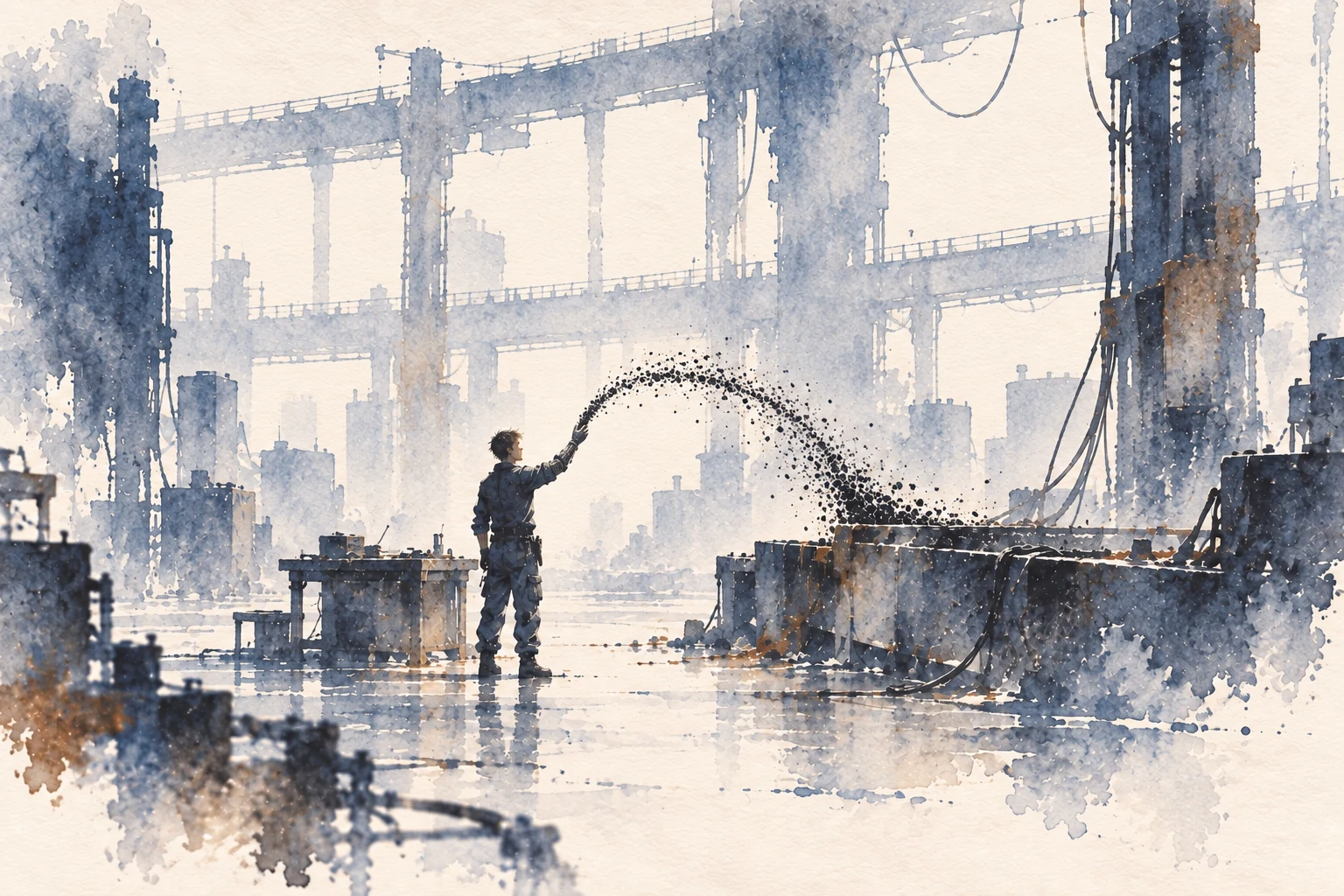
The best science fiction action is not only bigger. It is different. A fighter may have to learn a new body, defend a mind, outthink a ship, or win inside a virtual world before anything moves in physical space.
Clear limits keep these powers tense. Speed carries a physical cost. Nanotechnology depends on control and resources. A hacked system can fight back. A warship may be both a weapon and a conscious participant.
Each battlefield tests another form of intelligence, from individual reflexes to the coordination of entire fleets.
Physics can be altered, environments can transform, and thought can become action. Victory depends on understanding who controls the world and where its limits still hold.
Accelerated perception, neural systems, armor, and enhanced bodies turn seconds into long tactical exchanges where precision matters more than spectacle.
Programmable matter can shift between weapon, shield, repair system, disguise, and autonomous swarm. Adaptation becomes the central skill.
Networks, permissions, identities, and machine minds form a battlefield where access may be more valuable than firepower.
Ships fight across enormous distances with sensors, translation technology, quantum weapons, and decisions made before an enemy can be seen.
Some conflicts are won by connecting people, sharing knowledge, and breaking isolation. The most powerful move may be changing who can act together.
This blend suits readers who enjoy technological speculation but still want fast decisions, evolving abilities, tactical combat, and emotional stakes. The systems create possibilities. The characters decide what those possibilities cost.
A quick guide to the series, its genre, and how to start reading online.
It is science fiction with strong LitRPG and progression-fiction appeal. Its virtual worlds, learnable combat systems, technological upgrades, and expanding abilities create a clear sense of growth, while the storytelling stays character-led instead of using visible stat sheets.
Yes. All 21 chapters of SEGFAULT, Book One of Fragments of Sol, are available to read free online. You can also listen as chapter audio is released.
The series uses virtual reality combat, augmented close fighting, programmable nanotechnology, hacking, ship-to-ship engagements, fleet tactics, and strategic rebellion. Each form has its own rules and costs.
No. The technology and systems are introduced through character decisions and consequences. Familiarity with games or programming can add another layer, but it is not required.
Read a complete science fiction novel online, free and one chapter at a time.